
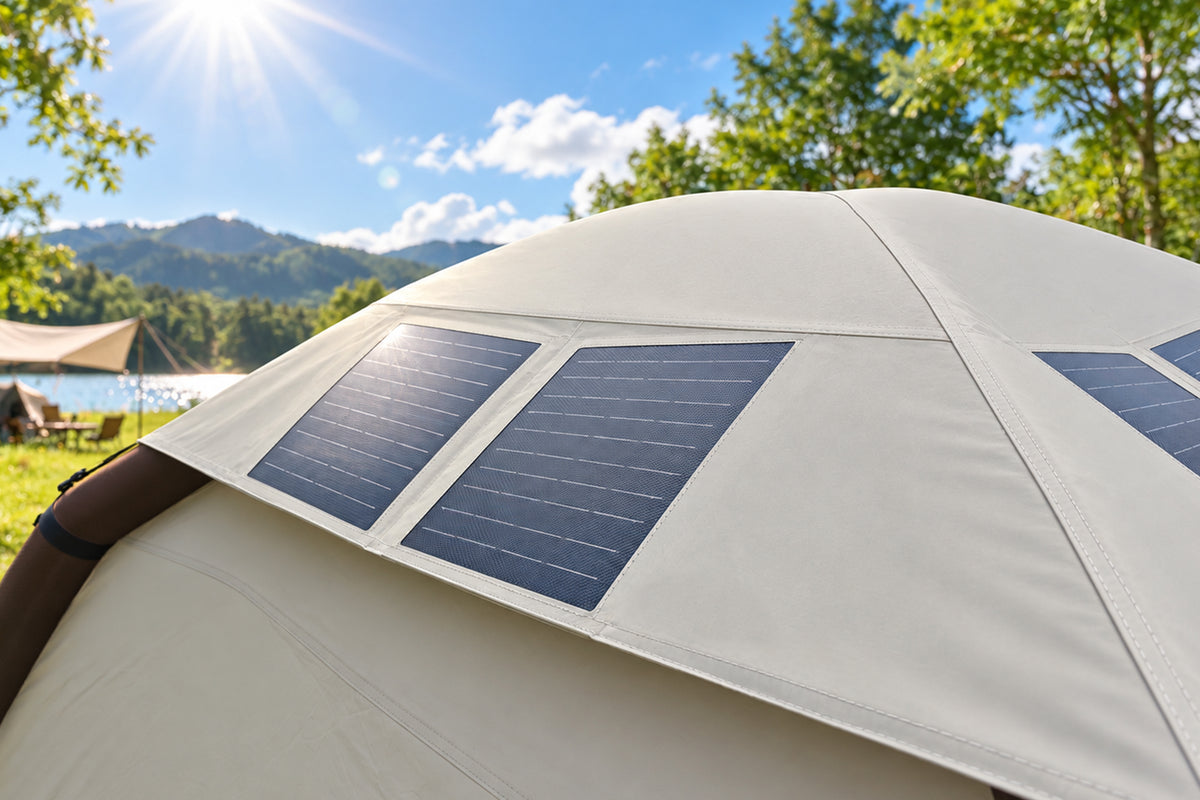
Removable solar roof
A one-month field test averaged 152Wh/day for compatible daytime charging; no built-in storage.

Solar roof is included only with the solar package. Blue mattress, furniture and power station shown are not included.
LINKSOLAR / Weekend camping
More time outside. Less time setting up.
A roomy inflatable tent for 2–3 people, with TPU air beams and a built-in smart-stop pump. Add the removable 52W solar roof for daytime charging at camp.
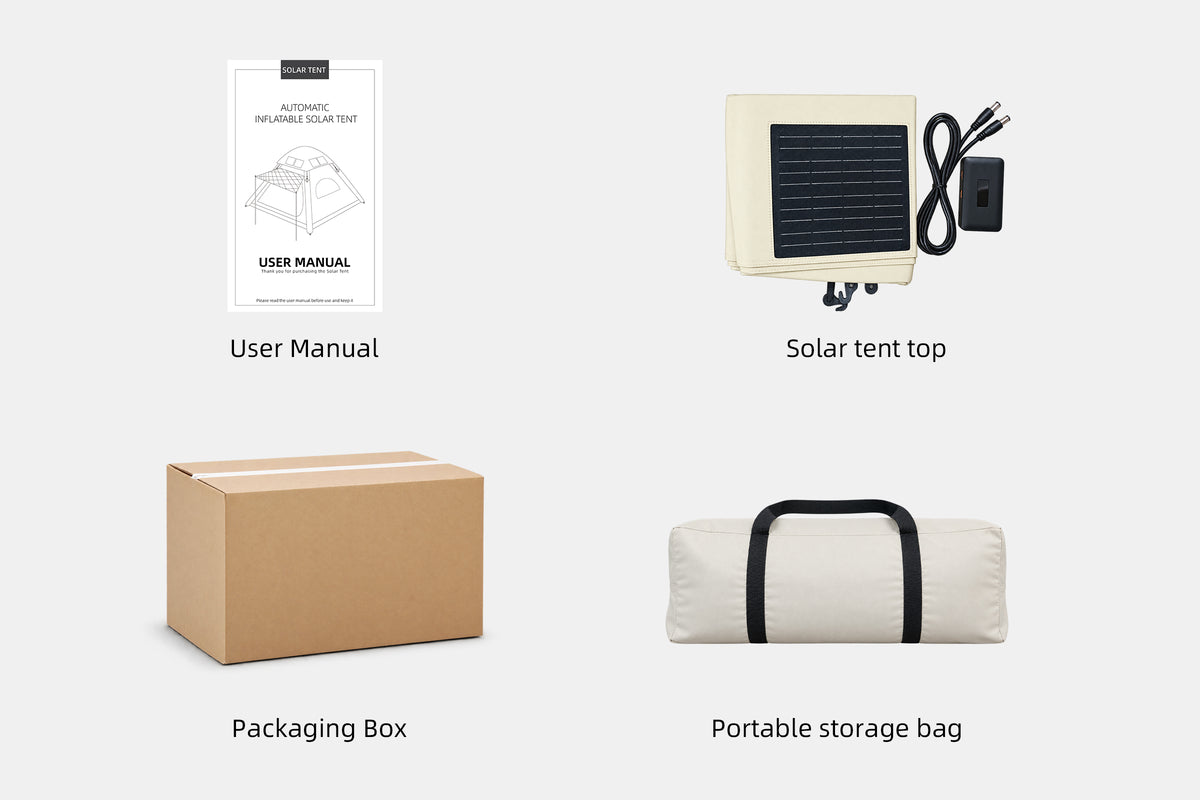
Includes the removable solar roof, fitted by hand after inflation. Charges compatible devices in sunlight; does not store electricity. Energy-storage equipment is not included.
The blue mattress shown with the gray tent is not included. Furniture, power banks, portable power stations and other campsite props are not included.
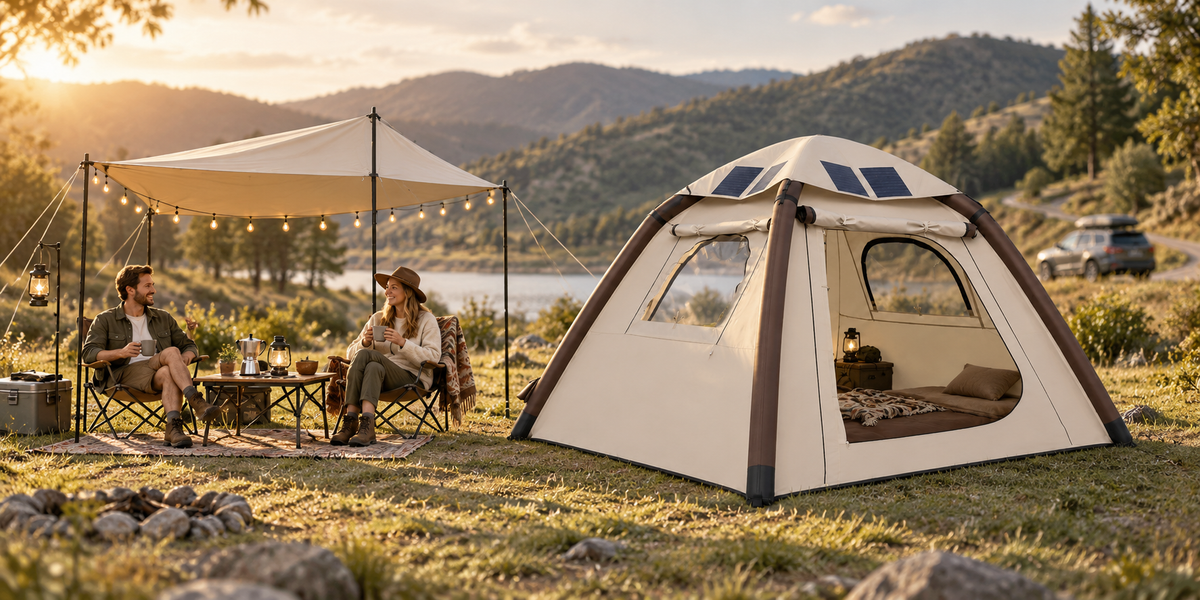
A little less setup. A little more weekend.
For 2–3 campers, with quick body inflation, a shaded awning and optional solar charging.
Park up, settle in and make room for a slower kind of weekend. Made for 2–3 people, this inflatable tent brings quick body inflation, a shaded awning and optional solar charging to relaxed car camping.
Why it works for an easy weekend away
Solar charging when you choose it, quick tent-body inflation when you arrive, and practical room for two or three people to slow down outdoors.

A one-month field test averaged 152Wh/day for compatible daytime charging; no built-in storage.
A flexible frame that packs without long conventional tent poles.
The built-in pump inflates the tent body and stops at 5.8–6 PSI.
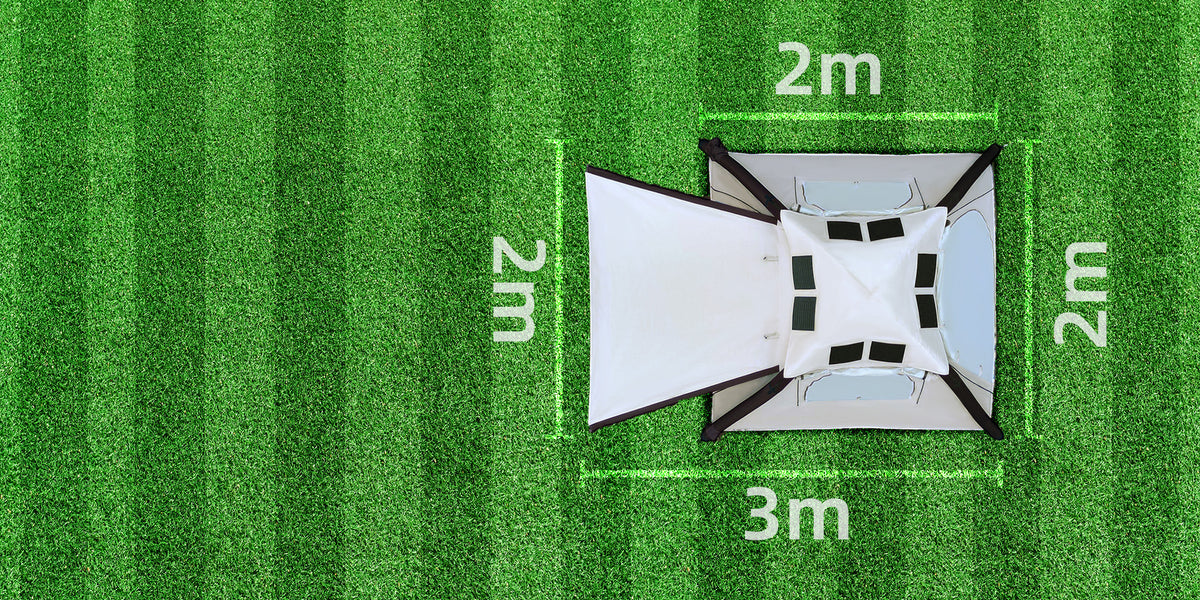
A 2 × 2 m floor, 1.7 m peak and an extendable awning.
Compact for car camping; solar roof and accessories add weight.
Two doors, two windows and one top mesh window.
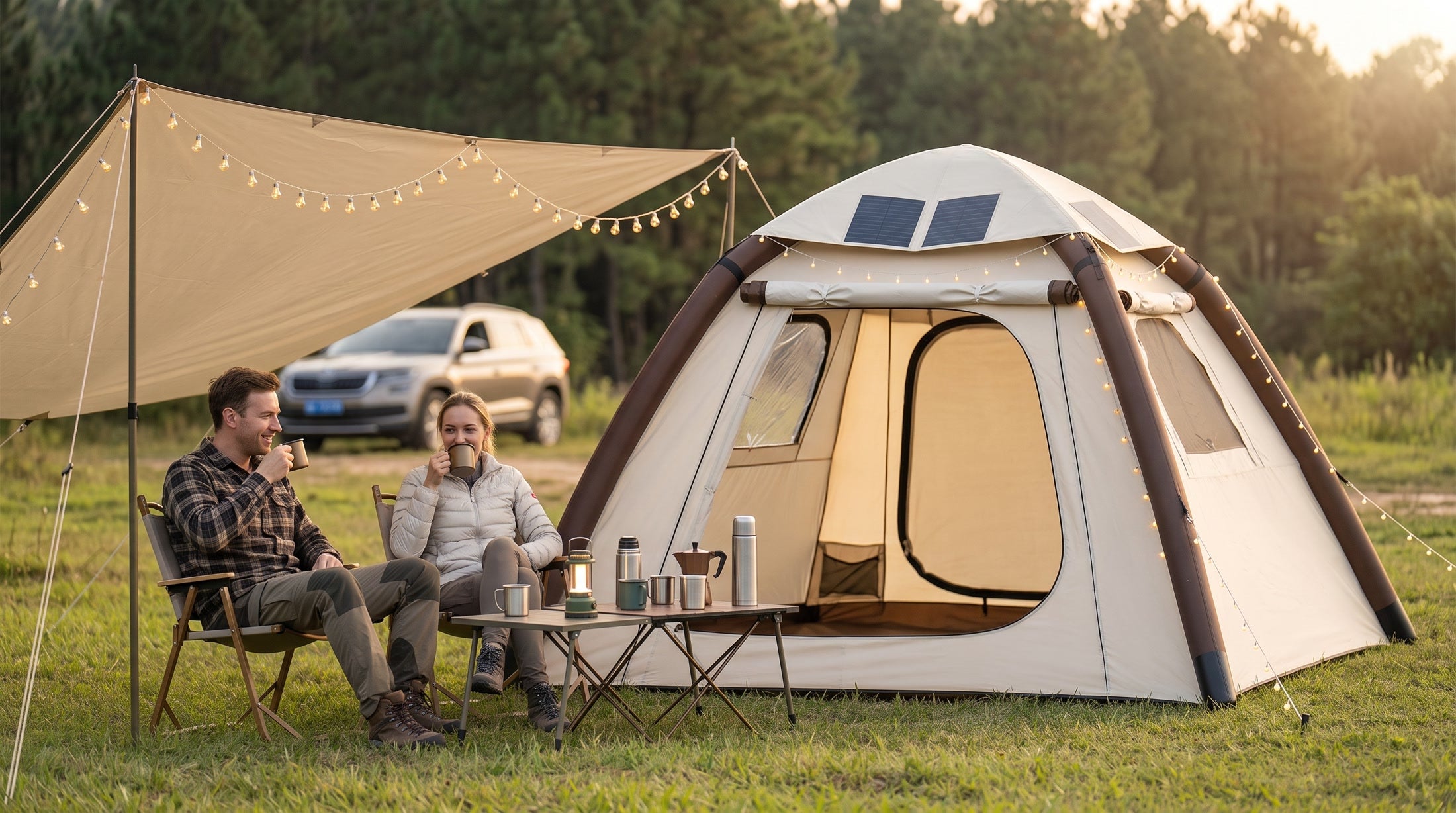
Built for weekend car camping
This recreational camping tent gives 2–3 people a comfortable base for weekend campsites and road trips. Inflate and secure the tent body, then open the awning for a shaded place to sit.
Choose the solar package when you want daytime charging for compatible battery-powered essentials. It is designed for relaxed car camping—not backpacking expeditions or severe-weather shelter.
01 / Daytime power, right at camp
The optional 52W solar roof generates electricity in sunlight for compatible equipment you bring to camp, including phones, power banks, rechargeable camping lights, small outdoor fans and Bluetooth speakers.
Across our one-month field test, the solar roof generated an average of 152Wh per day. That is roughly equivalent to 40,000mAh when expressed at 3.8V before charging and conversion losses.
The roof generates power but does not store it. Connect a compatible device while sunlight is available, or bring your own power bank or portable power station to save energy for later.
52WRated solar power · solar package only
152Wh/day is the average measured across one month, not a guaranteed daily output. Actual generation and usable charging vary with sunlight, panel angle, shade, temperature, cable, device and conversion losses. Devices must use a compatible connector, charging protocol and supported input of 12V or below.
A clear answer before you buy
No. The 52W roof generates electricity in sunlight, but the tent has no built-in solar energy storage.
In daylight, the solar roof can charge compatible phones, power banks, rechargeable camping lights, small outdoor fans and Bluetooth speakers. If you want to save that energy for later or use it after sunset, connect your own compatible power bank or portable power station during the day. Energy-storage equipment is sold separately.
The removable battery inside the inflation pump powers the pump only; it is not a solar storage battery for your devices.
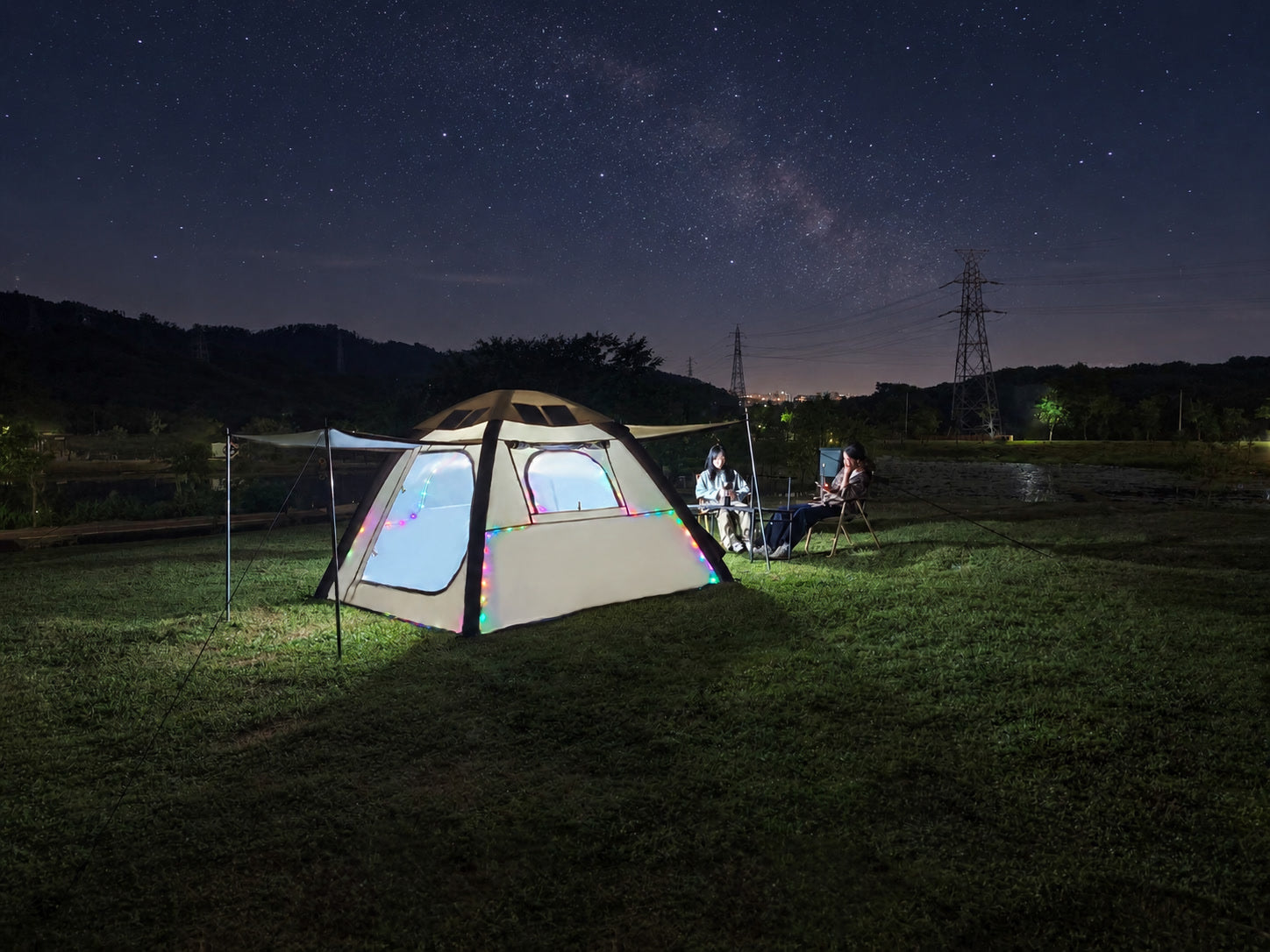
A separate roof. A clear choice.
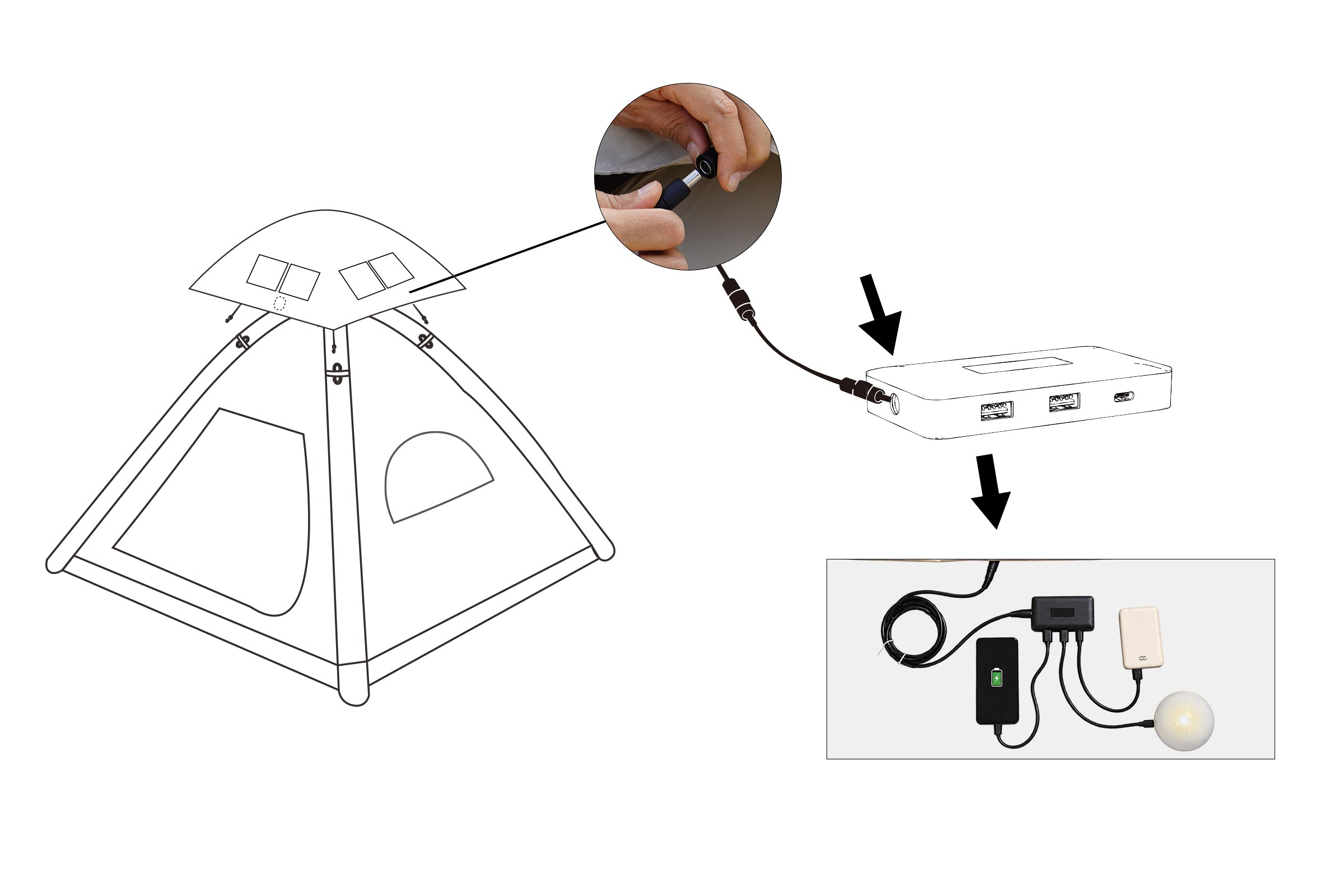
The solar roof is a separate, removable piece—not a panel sewn into the tent. After inflating and securing the tent body, unfold the solar roof, place it over the top and fasten it by hand.
Prefer a simple camping setup? Choose Tent Only. It includes no solar roof and provides no solar charging.
1.2 kgSolar roof weight · carried separately
The automatic pump inflates the tent body only. Solar-roof fitting, awning assembly and staking are separate manual steps.
Know what you can connect
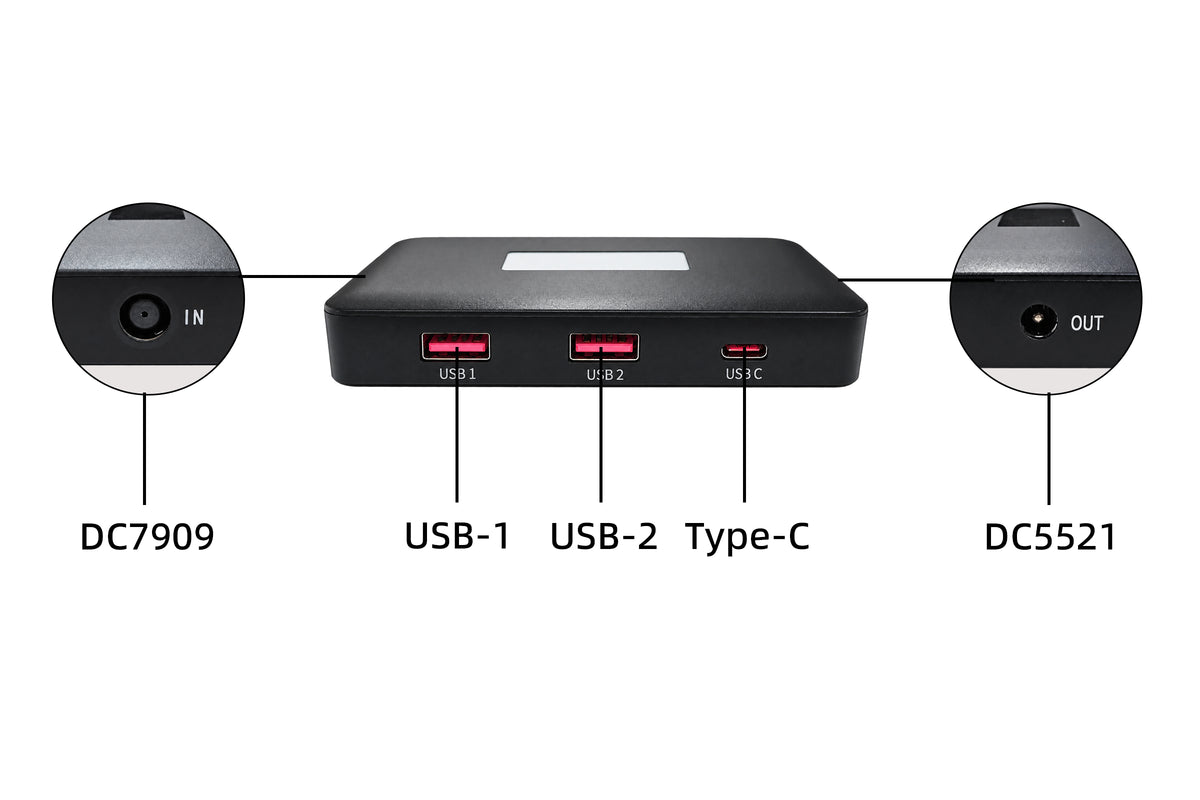
The roof connects to the junction box via DC7909. Use the correct cable and check your device's input requirements before connecting.
Port ratings are individual maximums, not a combined simultaneous output guarantee. Charging depends on the available sunlight. This is not a high-power appliance supply.
02 / Less time building camp
The pump is built into the tent, so there is no separate hand pump to connect or carry. Press the button and the smart pressure control inflates the tent body, stopping automatically at 5.8–6 PSI.
The included pump battery powers the built-in inflation pump only. It is not a solar storage battery, power bank or portable power station, and it cannot be used to charge your phone or other camping devices.
< 3 minTent-body inflation time
Inflation time is not total campsite setup time. Charge the dedicated pump battery before your trip. Staking, guy lines, awning poles and fitting the optional solar roof are separate manual steps.
From the bag to your base
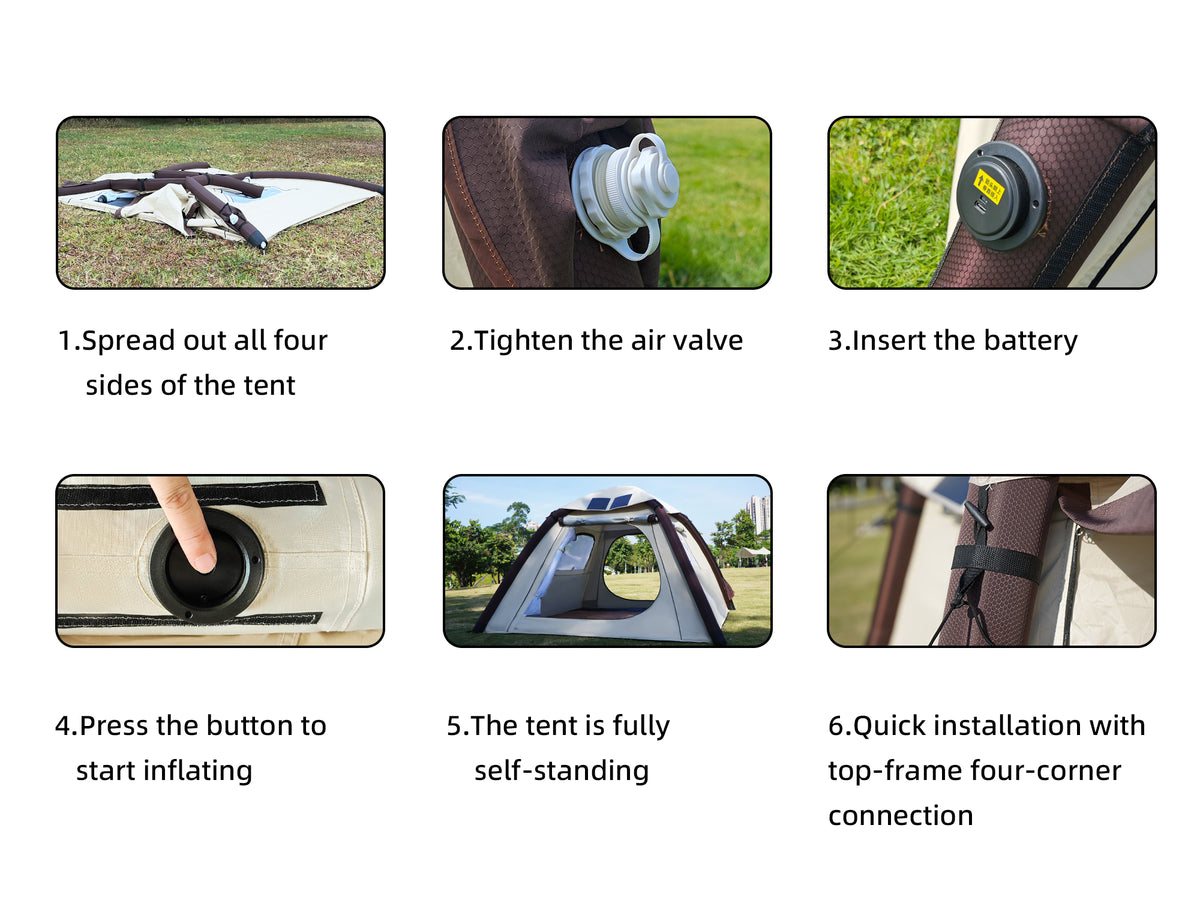
Choose level ground, spread out the tent and check that the valves are closed correctly.
Fit the charged pump battery and start inflation. The pump stops automatically at 5.8–6 PSI.
Stake and guy out the tent. Join three short sections per awning pole to make two poles.
Solar package only: unfold, position and secure the roof by hand, then connect a compatible device in sunlight.
Body inflation is automatic. Ground preparation, staking, awning assembly and solar-roof installation are manual. The solar roof is included only in the solar package.
03 / A flexible frame for repeat trips
The tent body uses inflatable TPU air beams instead of conventional long poles or heavier PVC air beams.
Use the built-in pump's smart stop, and always stake and guy out the tent securely.
7 PSIMaximum safe air-beam pressure
The manual lists the pump range as 0–10 PSI; 10 PSI is the pump maximum, not the tent inflation target. Normal automatic inflation stops at 5.8–6 PSI. Never exceed the tent’s maximum safe pressure of 7 PSI. This is a safe operating limit—not a burst-pressure or roof-load rating. Keep the roof free of pooling water.
Room to relax, inside and out
A 2 × 2 m floor and 1.7 m peak height make a practical retreat for 2–3 campers. Open the awning to create a shaded spot for sitting, chatting or keeping everyday camp essentials close by.
Two awning poles assemble from six short sections—three sections per pole.
2–3 peopleRecreational camping capacity
Usable room depends on sleeping mats and gear. Dimensions shown describe the tent, not a supplied mattress. Awning poles are 2 complete poles, not 6 complete poles.
Two doors. Two windows. More ways to open camp.
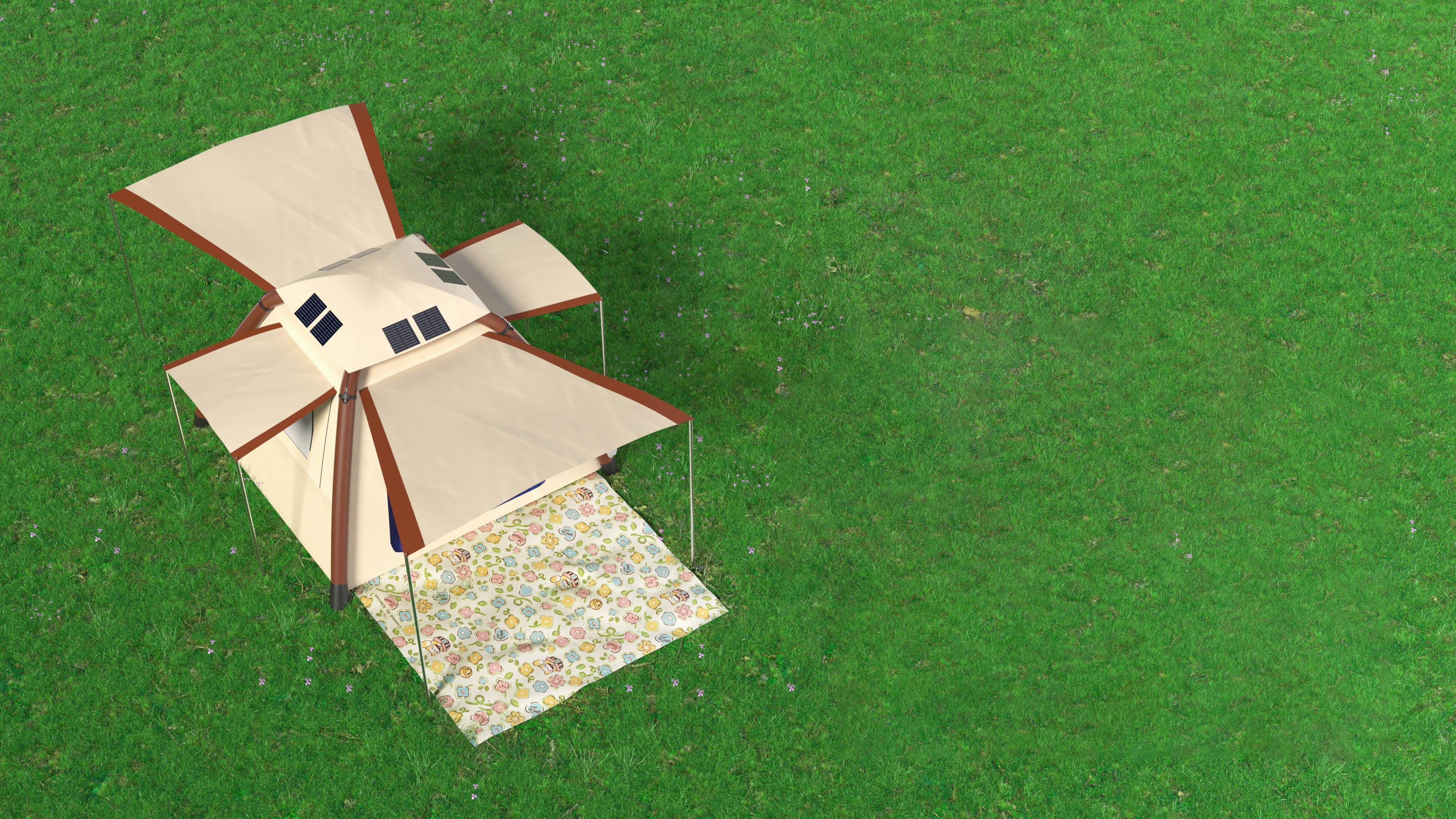
The tent has two doors and two windows that can be opened independently for access, airflow and a more open view of the campsite. Their outer fabric panels can also be raised with suitable support poles to create additional shade around the tent.
The illustration shows the fully expanded concept using eight complete support poles. The standard package includes two complete awning poles only, supplied as six short sections—three sections assemble into each pole. Extra poles required to support every raised panel are not included.
4 sidesTwo doors + two windows
Illustration for opening configuration only. Solar roof is included only with the solar package. Ground mat, extra support poles and other campsite props shown are not included.
Open up to the outdoors
Two doors, two windows and a top mesh window provide five ventilation openings. Adjust them to the weather and enjoy cross-breezes through camp.
The awning adds a sheltered outdoor space without closing you off from the view.
Airflow depends on which openings are in use and the wind. Close openings as needed in rain. No tent can guarantee a cool interior in every summer condition.

Thoughtful weather details
A 4,000 mm waterproof rating and taped internal seams help manage rain during ordinary camping use. Proper pitching matters too: choose suitable ground, tension the fabric and keep drainage clear.
4,000 mmWaterproof rating
For ordinary recreational camping, not severe-weather shelter. Avoid storms, stake and guy out the tent correctly, and keep the roof free of pooling water.
From driveway to campsite
Short awning-pole sections and a soft carry bag make the tent easy to organize for weekend car trips. Deflate, dry and fold the body before packing it away.
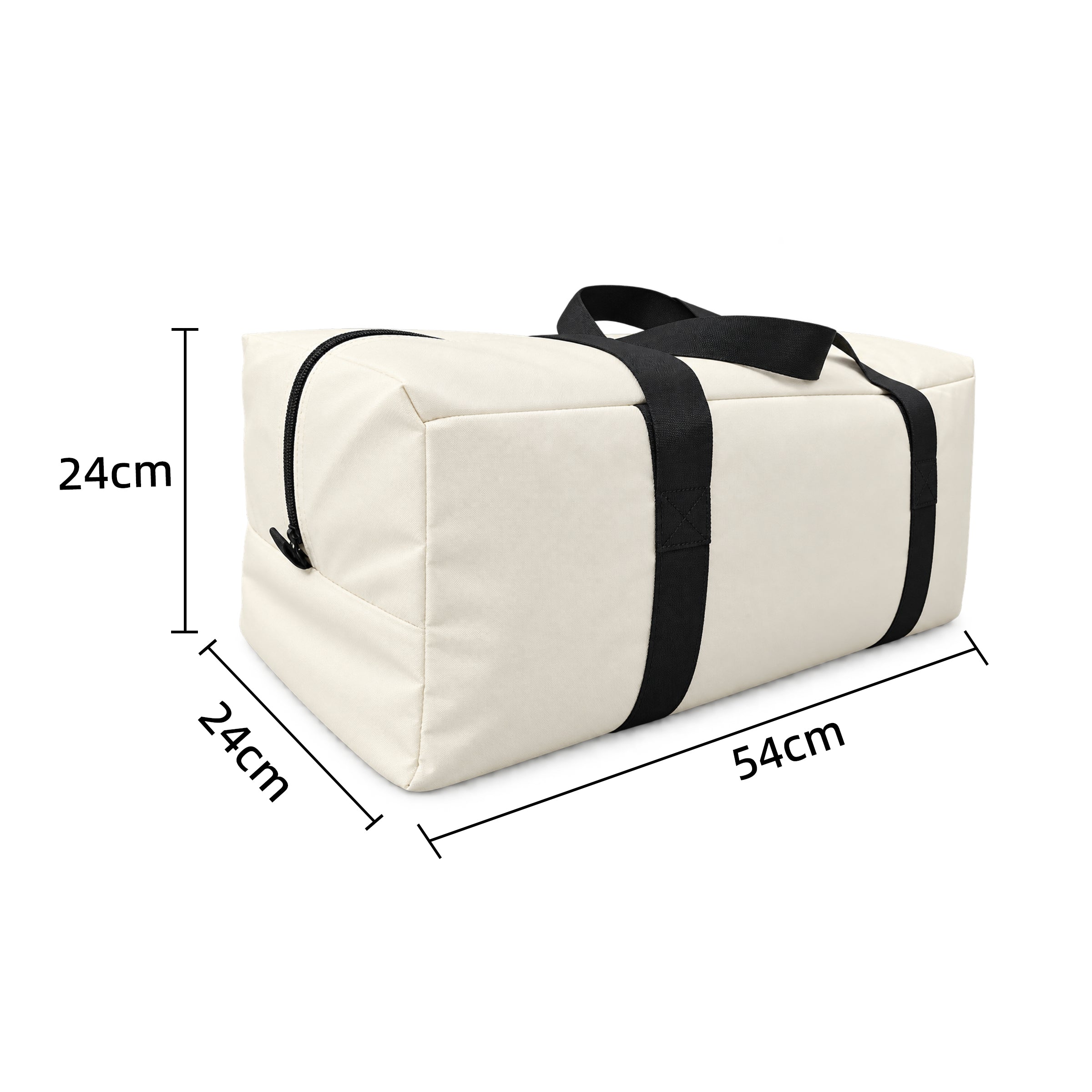
The packed carry-bag size is approximately 54 × 24 × 24 cm.
5.1 kgTent-body weight only
5.1 kg is not the total solar-package or shipping weight. The detachable solar roof weighs an additional 1.2 kg; accessories add further weight.
After the weekend
A careful fold pushes residual air out of the TPU beams and helps the tent fit back into its carry bag.
Disconnect any devices, then remove and fold the separate solar roof. Take down the awning poles and clear the tent interior before deflating.
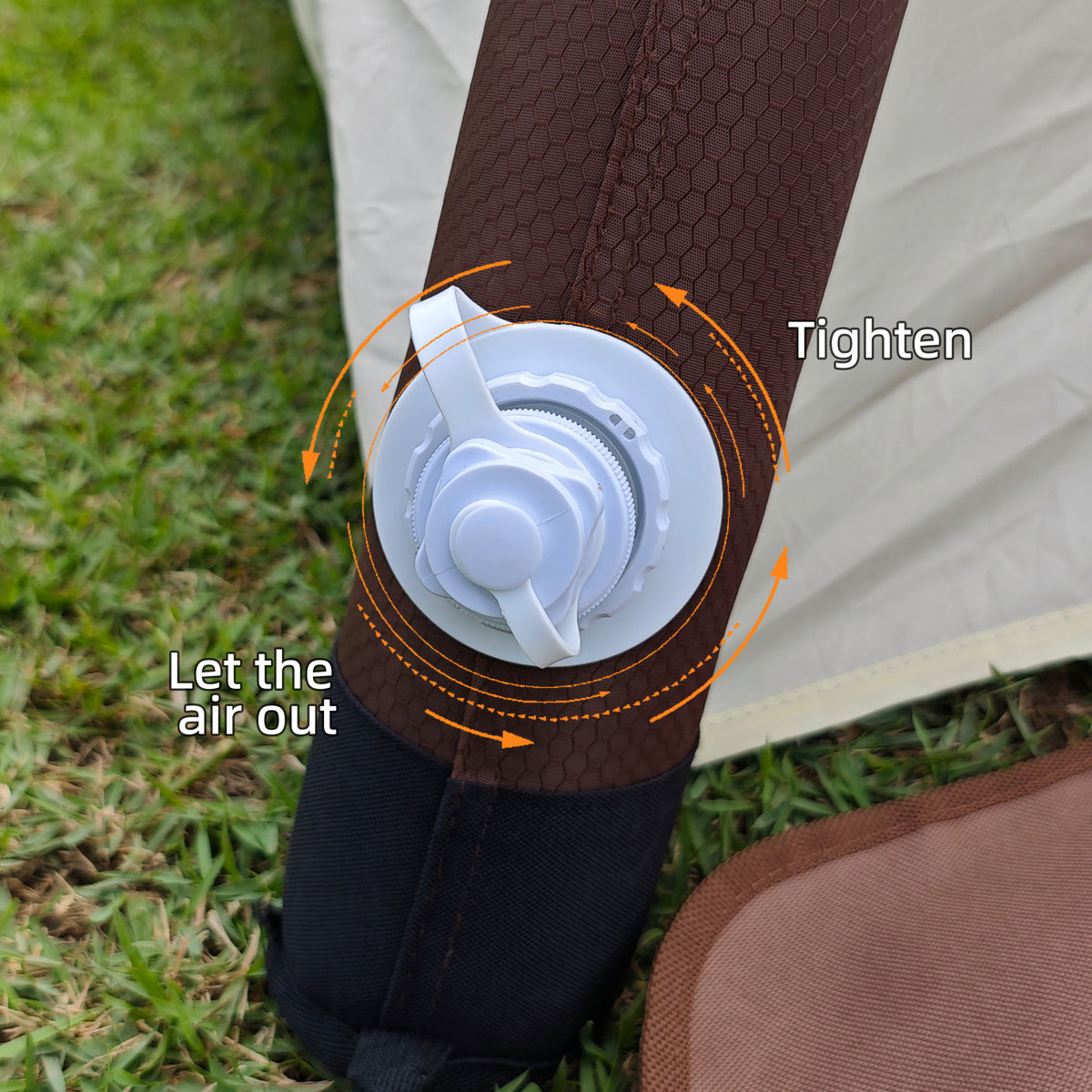
Turn the valve counter-clockwise. Air will release from the TPU beams and the tent body will settle flat onto the ground.
Arrange the fold so the built-in pump side and the open deflation-valve side are at opposite ends—not together on the same side.
Roll steadily from the built-in pump end toward the open valve. This pushes the remaining air through the beams and out of the valve.
Secure the rolled tent with its straps, place it in the carry bag and close the zipper. Make sure the tent is clean and fully dry before long-term storage.
Key folding direction: pump end → open deflation valve. Do not close the valve until the remaining air has been rolled out.
Two colors. Two ways to camp.
The same inflatable tent, with a simple choice: keep it tent-only, or add daytime solar charging. Prices below apply to both Beige and Gray.
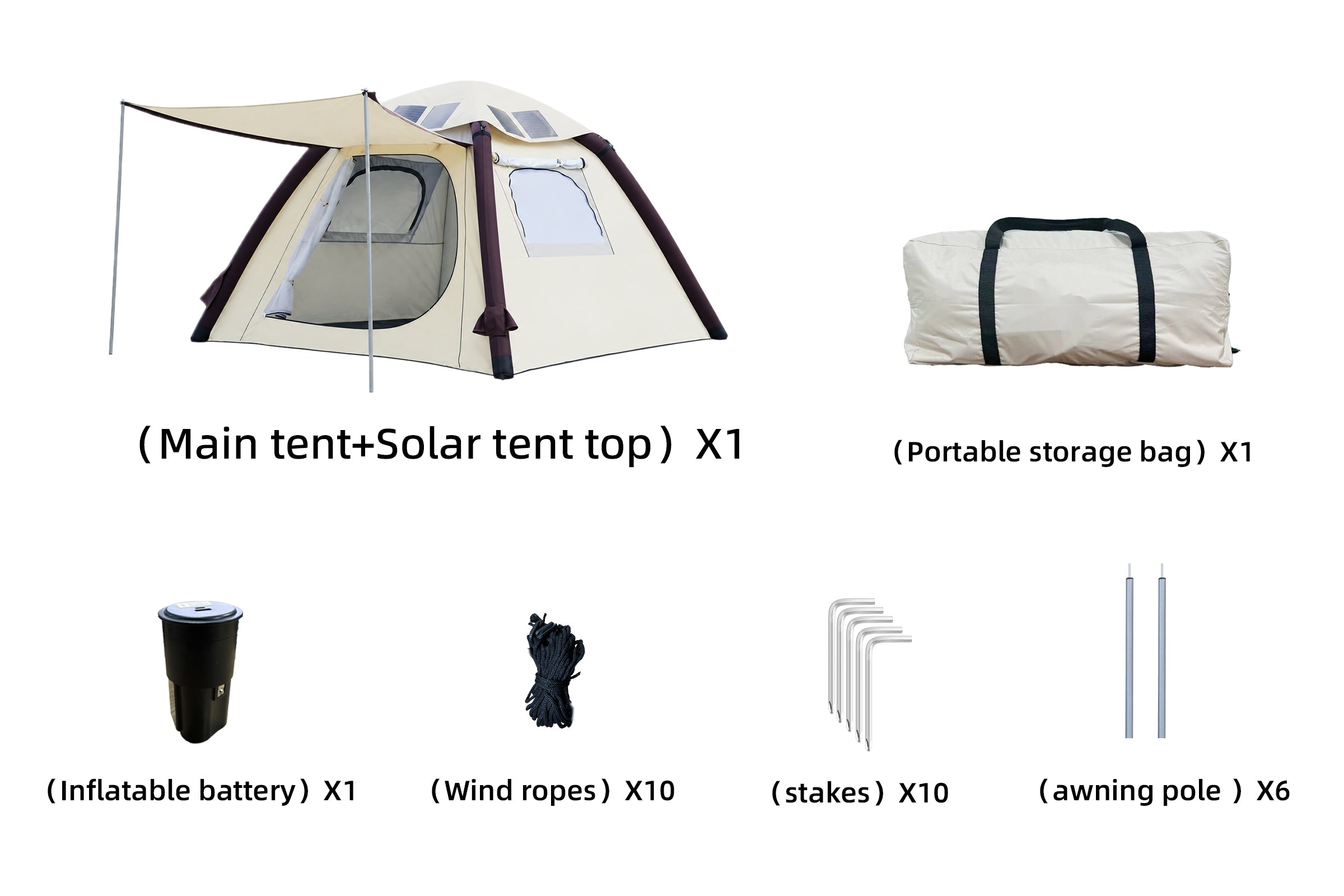
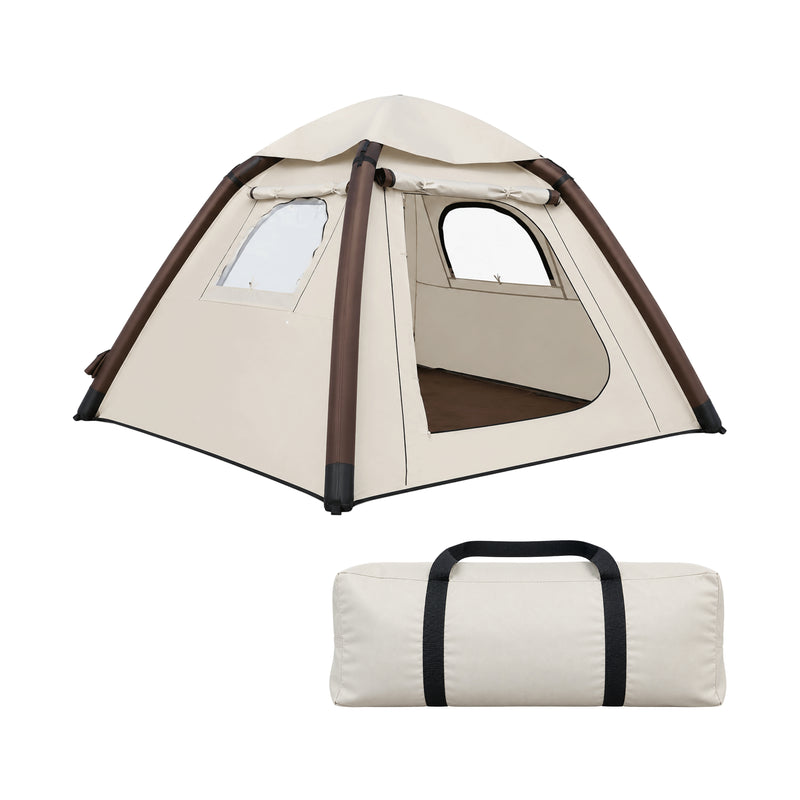
No solar roof, solar junction box or energy-storage equipment.
Choose color & package →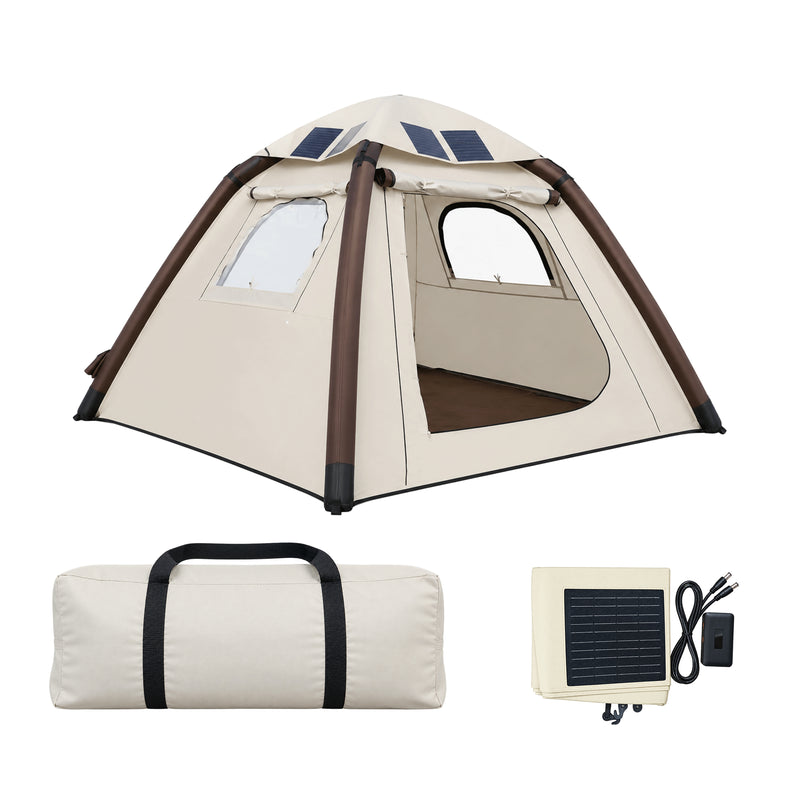
Solar generation only. No power bank, portable power station or other solar energy-storage equipment.
Choose color & package →The blue mattress shown with the gray tent is not included. Furniture, power banks, portable power stations and other campsite props are not included.
The details, clearly
All solar specifications apply only to the solar package. Charging performance and inflation time vary with operating conditions.

Before your next trip
Need help checking a device connection or choosing a package? Talk to us before ordering.
Contact LINKSOLAR →No. Tent Only includes no solar roof and cannot provide solar charging. Select Tent + 52W Solar Roof for the detachable solar roof and junction box. Both packages are available in Beige and Gray.
No. It generates electricity in sunlight but has no energy-storage system. Bring a compatible power bank or portable power station if you want to store energy for later. The included battery is dedicated to the built-in inflation pump only; it cannot store solar energy or charge phones and other camping devices.
Compatible battery-powered devices such as phones, power banks, rechargeable camping lights, small outdoor fans and Bluetooth speakers. The connected device must use a compatible connector, charging protocol and supported input of 12V or below. Available power varies with sunlight; do not expect the individual port maximums simultaneously.
No. Inflate and secure the tent body first, then unfold the solar roof, place it on top and fasten it manually. The under-3-minute claim refers only to tent-body inflation.
No. The blue mattress shown in gray tent images is for illustration only and is not included. Furniture, power banks and portable power stations shown are also not included.
Two complete awning poles, supplied as six short sections. Join three sections to form each pole. This is not a set of six complete poles.
Do not rely on this tent for severe-weather shelter. Secure it correctly, follow local weather guidance and keep the roof free of pooling water. Maximum safe air pressure is 7 PSI; that is not a roof-load or burst-pressure rating.
Remove the separate solar roof and awning parts first. Turn the air-beam deflation valve counter-clockwise and allow the tent to settle flat. Fold the body into a quarter-size rectangle, keeping the built-in pump end opposite the open-valve end. Roll from the pump end toward the valve so residual air can escape, secure the roll with the straps, then place it in the carry bag and close the zipper. Clean and fully dry the tent before long-term storage.
No. Under three minutes refers to automatic inflation of the tent body under suitable operating conditions. Ground preparation, staking, guy lines, joining the two awning poles and fitting the optional solar roof are separate manual steps and take additional time.
No. 52W is the rated solar power. Actual output varies with sunlight intensity, panel angle, shade, temperature and the connected device. Keep the solar surface clear and position it toward available sunlight; charging speed is not guaranteed.
In our one-month field test, the solar roof generated an average of 152Wh per day. Expressed at a nominal 3.8V, that is roughly 40,000mAh before conversion losses—approximately enough energy for up to around 10 charges of some iPhone models. Actual usable charges will be lower or higher depending on the phone model, battery condition, cable, charging losses and available sunlight. This is a reference result, not a guaranteed daily output.
No. The included battery is dedicated to powering the tent's built-in inflation pump. It is not connected as solar energy storage and cannot be used as a power bank. Use your own compatible power bank or portable power station when you need to store solar energy for later.
TPU air beams can operate at higher pressure for firmer support while remaining flexible enough to pack down. Compared with typical PVC air beams, TPU construction is lighter, lower in material odor, more resistant to ageing and designed for longer repeat use. The pump stops automatically at 5.8–6 PSI; never exceed the 7 PSI safe operating limit.
Your next weekend starts here
Choose Beige or Gray, then decide whether daytime solar charging belongs in your camping kit.
Choose your tent ↗